WindWalker
Interim product evidence · Evaluated October 24, 2026

20 turns. One evolving business app. No reset.

A bookstore started from one plain-language idea, then kept evolving through 20 requests without discarding the working product. Every visible result below comes from the measured WindWalker run.

20
ordinary-language requests evaluated
1
working product kept across the sequence
0
rejected changes promoted as the working app

This public page presents observable product-durability evidence. Additional due-diligence materials are available through a reviewed process.

Starting point
One short request for a neighborhood bookstore.
Evaluation date
October 24, 2026.
Change method
Short requests written in everyday language, followed by a visible mobile preview.
Durability rule
A rejected change never replaced the last verified working version.
Evidence boundary
This is a measured single-product evaluation, not a claim that every possible app or request is already covered.
Turn-by-turn record

Each request with its preserved mobile preview

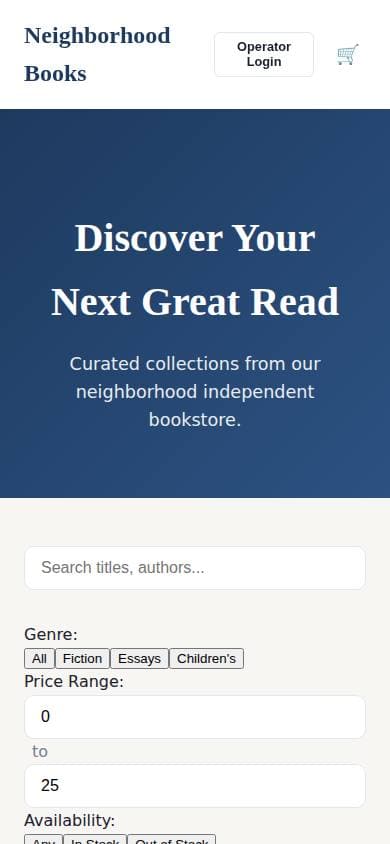
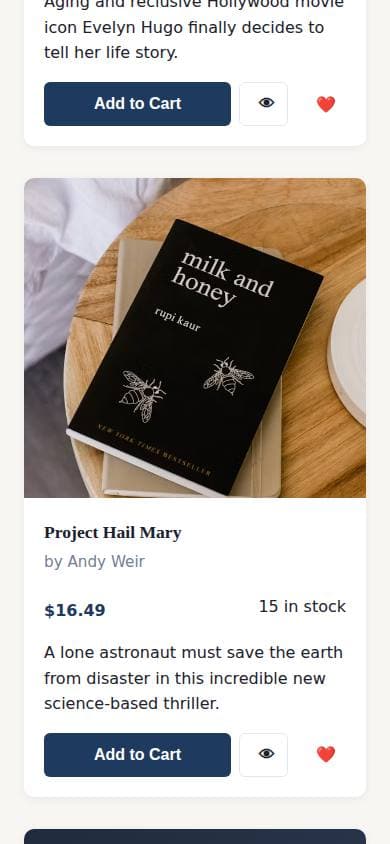
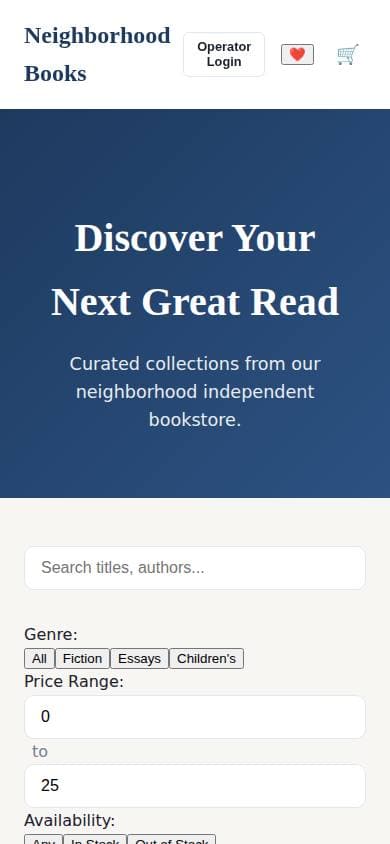
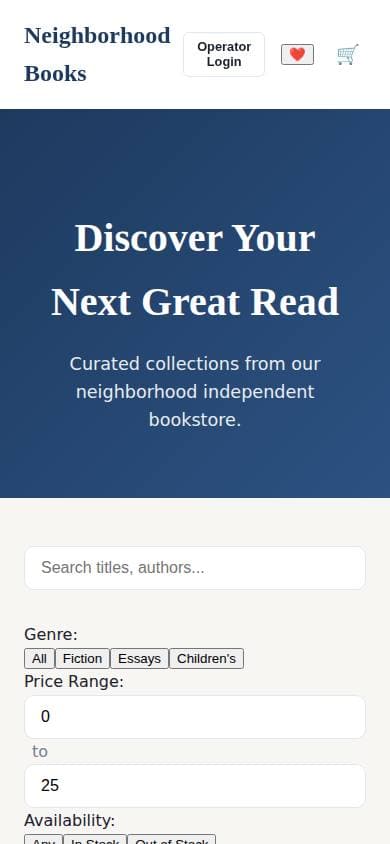
Turns 1–20 below preserve the request, result note, and 390×844 mobile screen captured at that revision point. The capture shows the visible preview state; repeated or unchanged views are not treated as proof that every requested surface was opened. Select an image to inspect the original evidence resolution.

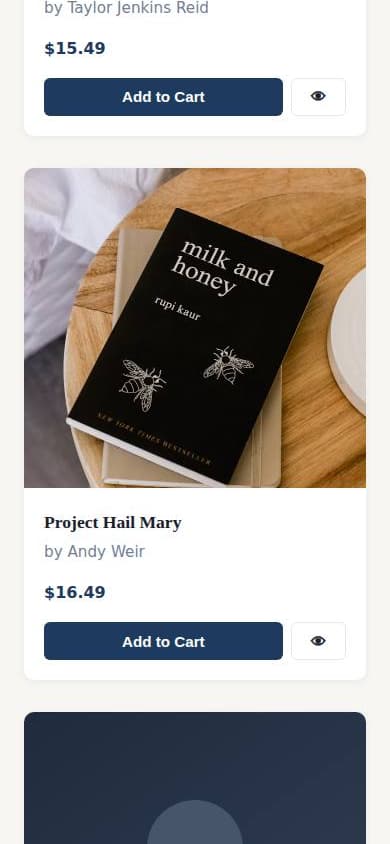
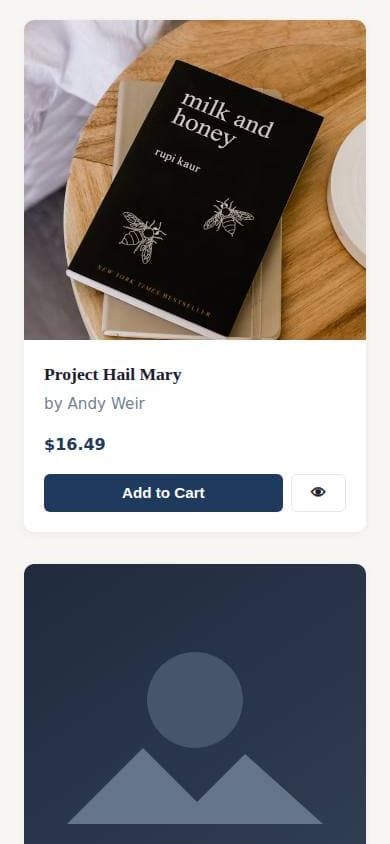
Turn 1 initial bookstore preview
Turn 01 · Initial bookstore“Build an online bookstore for a neighborhood independent bookstore.”The first working customer flow established browsing, book details, a cart, and a mobile layout.
Turn 2 customer purchase flow preview
Turn 02 · Purchase flow“Let readers find a book, open its details, add it to a cart, complete a test checkout, and review the order.”The customer journey was extended through test checkout and order review without restarting the product.
Turn 3 new and recommended books preview
Turn 03 · Discovery“Show new books and shop recommendations on the first screen.”The home experience was extended while retaining the working catalog and detail flow.
Turn 4 bookstore category browsing preview
Turn 04 · Categories“Make fiction, essays, and children’s books easy to browse separately.”Category browsing was added to the existing customer flow.
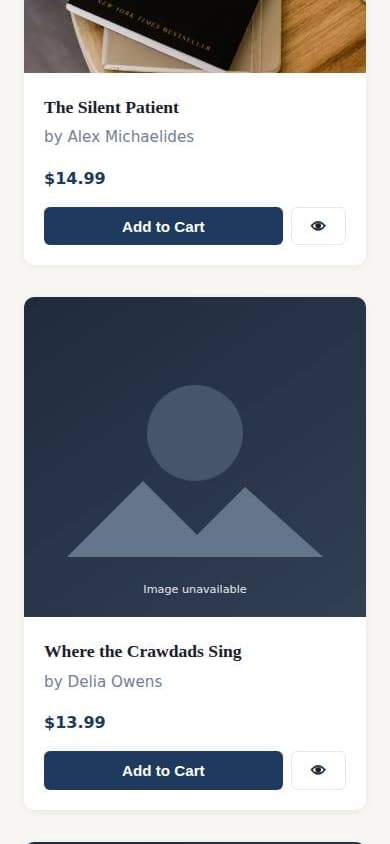
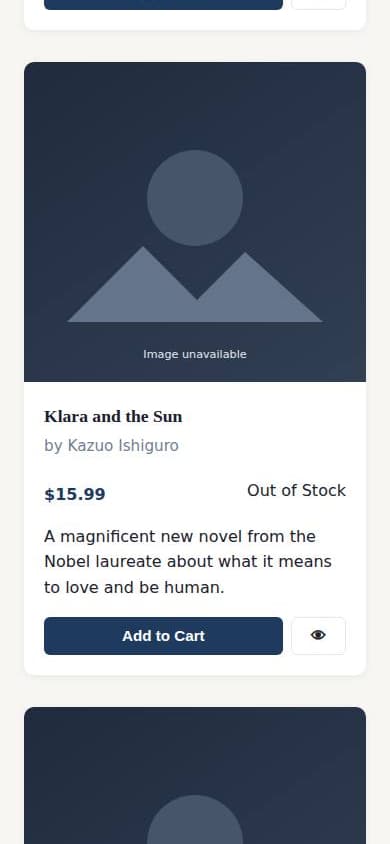
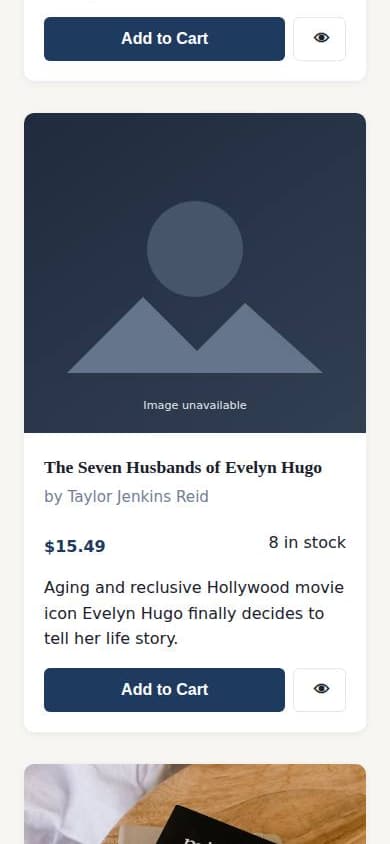
Turn 5 book detail preview
Turn 05 · Book details“Show price, description, and stock status at a glance.”The detail view was refined to expose the main buying information together.
Turn 6 cart controls preview
Turn 06 · Cart controls“Let customers change quantities or remove books from the cart.”Quantity and removal controls were connected to the continuing purchase flow.
Turn 7 test checkout disclosure preview
Turn 07 · Safe checkout“Explain that checkout is a test and no real charge occurs.”A clear test-payment notice was added before checkout.
Turn 8 order history preview
Turn 08 · Order history“Let customers find purchased books again in My Orders.”The buying flow now retained an order-history destination.
Turn 9 operator requirement preview
Turn 09 · Operator requirement“Add a screen for the shop operator to manage products and orders.”The request stayed attached to the same product, and the evaluation identified the remaining operator work rather than overstating completion.
Turn 10 mobile readability preview
Turn 10 · Mobile refinement“Make the main buttons and text comfortable to use on a phone.”Responsive spacing, controls, and text treatment were refined and rechecked.
Turn 11 title and author search preview
Turn 11 · Search“Let readers search by book title or author.”Title and author search was added to the continuing discovery flow.
Turn 12 filters preview
Turn 12 · Filters“Filter books by price range and stock availability.”Price and availability filtering was added to product discovery.
Turn 13 sorting preview
Turn 13 · Sorting“Sort by newest or lowest price.”Two practical sort choices were added without replacing the existing filters.
Turn 14 saved books preview
Turn 14 · Saved books“Create a list where customers can save books they like.”A saved-books flow was added after an ambiguous edit was isolated and recovered.
Turn 15 recently viewed books preview
Turn 15 · Recently viewed“Make recently viewed books easy to find again.”A return path to recently viewed books was added.
Turn 16 related book recommendations preview
Turn 16 · Recommendations“Recommend books that go well together below the detail view.”Related-book recommendations were connected to the detail experience.
Turn 17 sold out state preview
Turn 17 · Sold-out state“Show sold out instead of a purchase button when stock is gone.”The buying action now responds to availability rather than offering an invalid purchase.
Turn 18 loading state preview
Turn 18 · Loading state“Show a waiting state while data is loading.”The interface gained a visible loading state instead of appearing unresponsive.
Turn 19 empty state preview
Turn 19 · Empty state“Explain what to do when search results or orders are empty.”Empty results gained understandable guidance and a next action.
Turn 20 understandable retry guidance preview
Turn 20 · Recovery guidance“When something goes wrong, explain how to try again in words customers understand.”The customer experience retained loading, empty, error, and understandable retry guidance while the remaining operator work stayed explicitly open.
What happened

Rejected changes did not replace the working product

The run preserved the last verified version, isolated the affected part, checked the revised result, and then continued. This is the core durability evidence: failure can occur, but it does not have to become the user’s new working state.

Initial build
The first candidate did not pass preview checks, so it was withheld while the user’s idea remained available.
Focused recovery
Only the affected stage was retried; the product was not restarted from the beginning.
Repeated changes
Discovery, cart, checkout, order history, responsive use, saved books, and customer guidance accumulated on the same product.
Honest limits
When a request was not yet complete, the run reported the remaining work instead of presenting it as finished.

What this supports

WindWalker can preserve a working customer flow across repeated natural-language changes, block an invalid candidate, and continue from verified product state after focused recovery.

What it does not claim

Twenty turns do not prove every product category or every stage of long-term operation. Broader operation, launch, infrastructure, and long-horizon evidence is evaluated separately.

Interested in working with WindWalker?

We are opening focused conversations with infrastructure, go-to-market, platform, and investment partners. The full 100-turn evidence package is under editorial review.